
Getting Access Right - Why scaffolding decisions matter more than most people think
Scaffolding is often treated as a commodity. Something booked late, installed quickly, and removed once the job is done.
In reality, access is one of the most important decisions on any site.
When scaffold is planned properly, projects run smoothly, safety risks are reduced, and trades can work efficiently without disruption. When it is not, delays, rework and frustration quickly follow.
At RES Hire, we approach scaffolding as a problem-solving exercise, not just a hire transaction.
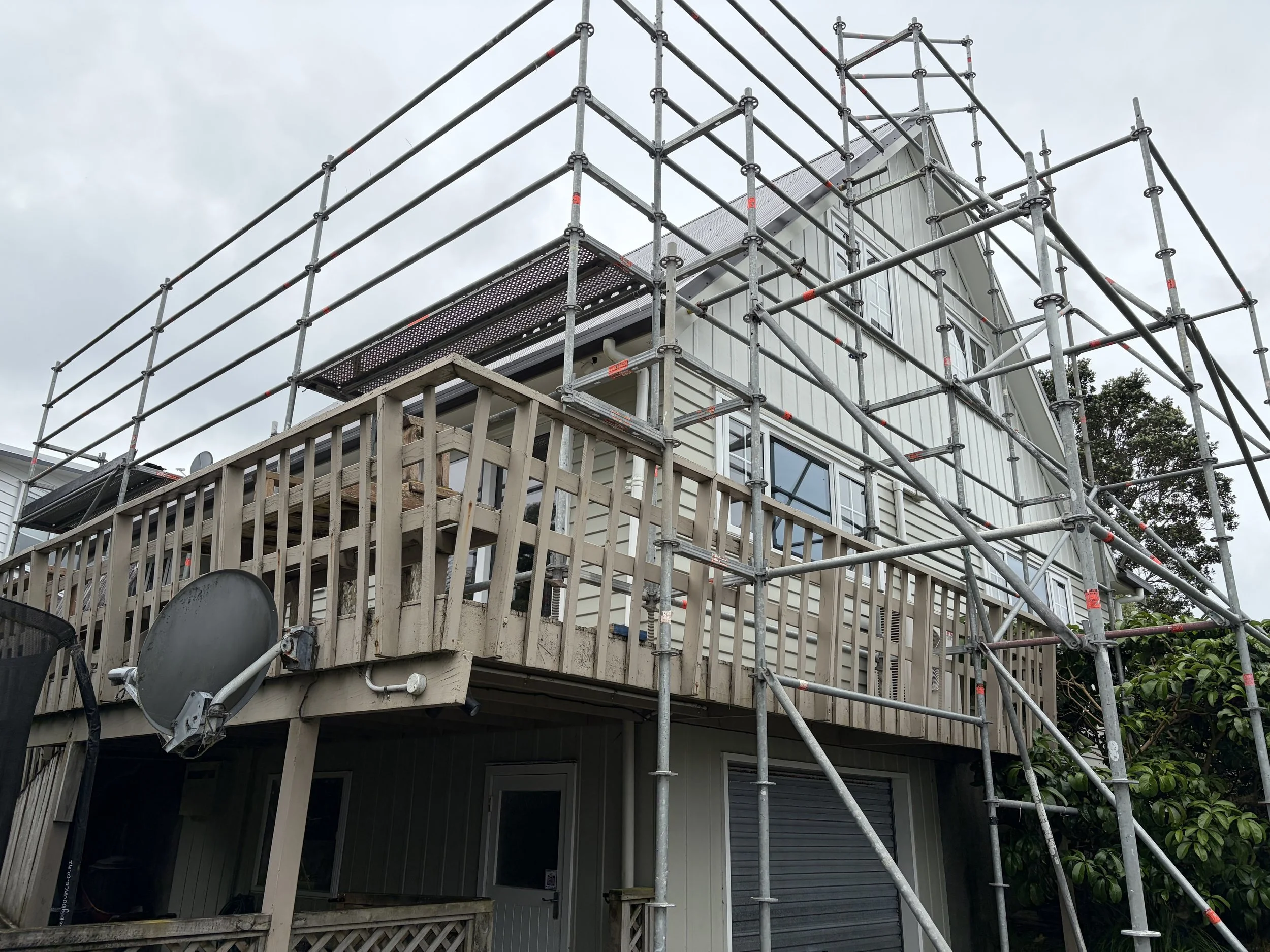
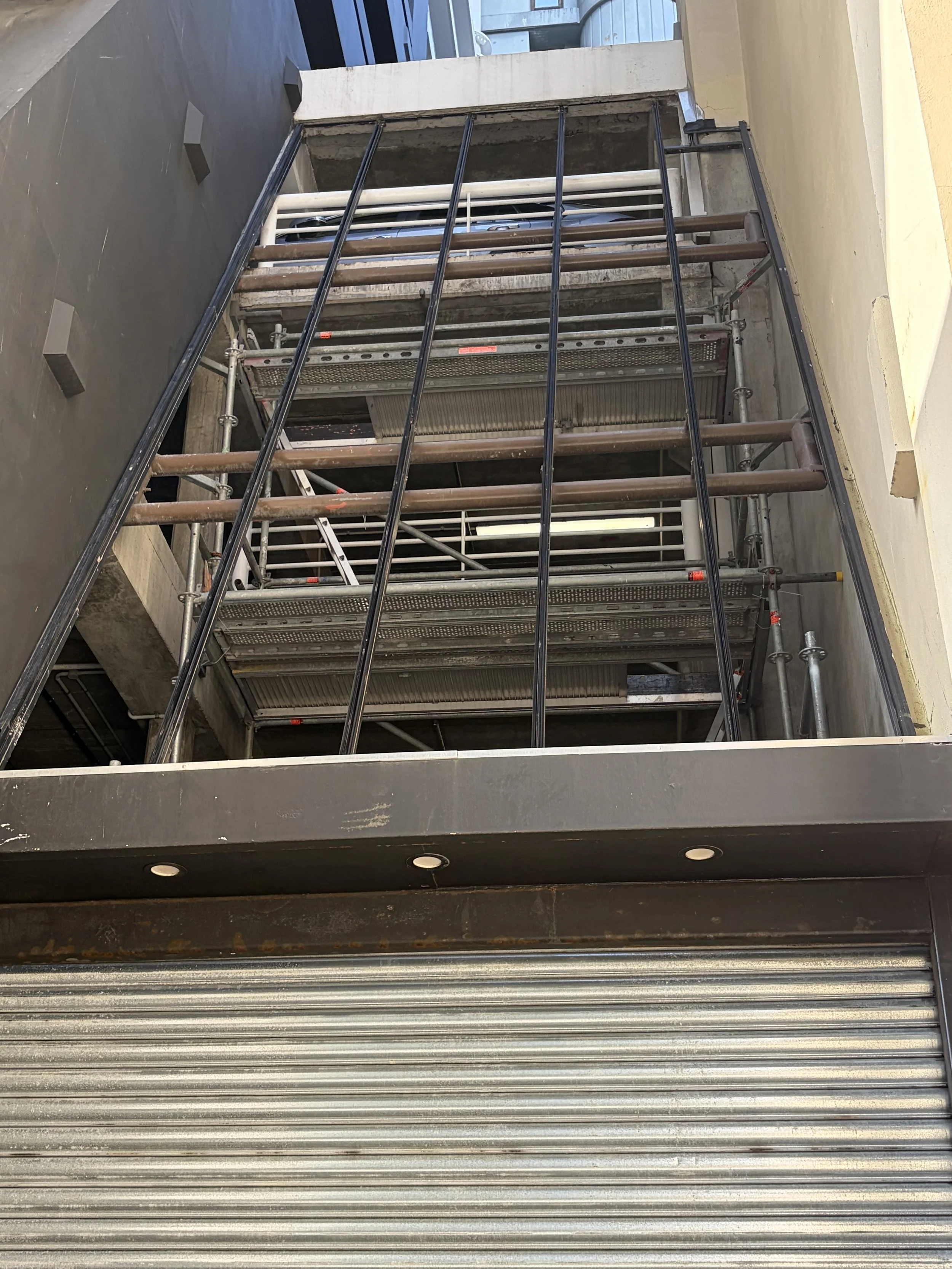
Access problems rarely start with the scaffold
Most issues do not come from the equipment itself. They come from assumptions made too early.
Assumptions about:
Ground conditions
Site access
Who needs access and when
Whether a site will remain occupied
How a building is actually used
Good scaffolding decisions are made before the first pole goes up.
Five common access challenges we solve every week
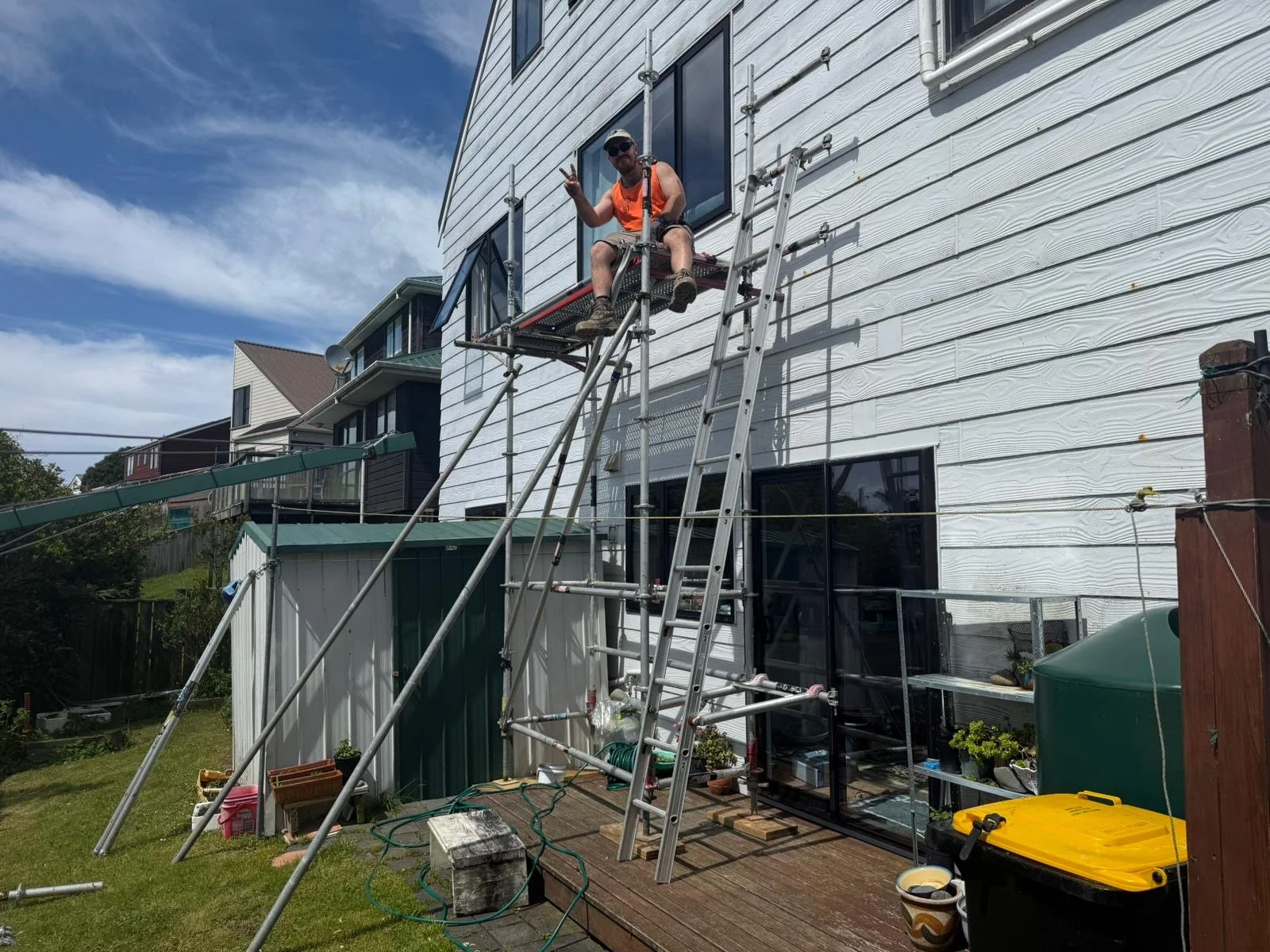
Residential sites that are still lived in
Many residential projects take place while people continue to live on site.
Good scaffold planning allows for:
Safe entry and exit
Protection of decks, gardens and driveways
Minimal disruption to daily life
Safe working zones without shutting the home down
This requires judgement, not generic setups.
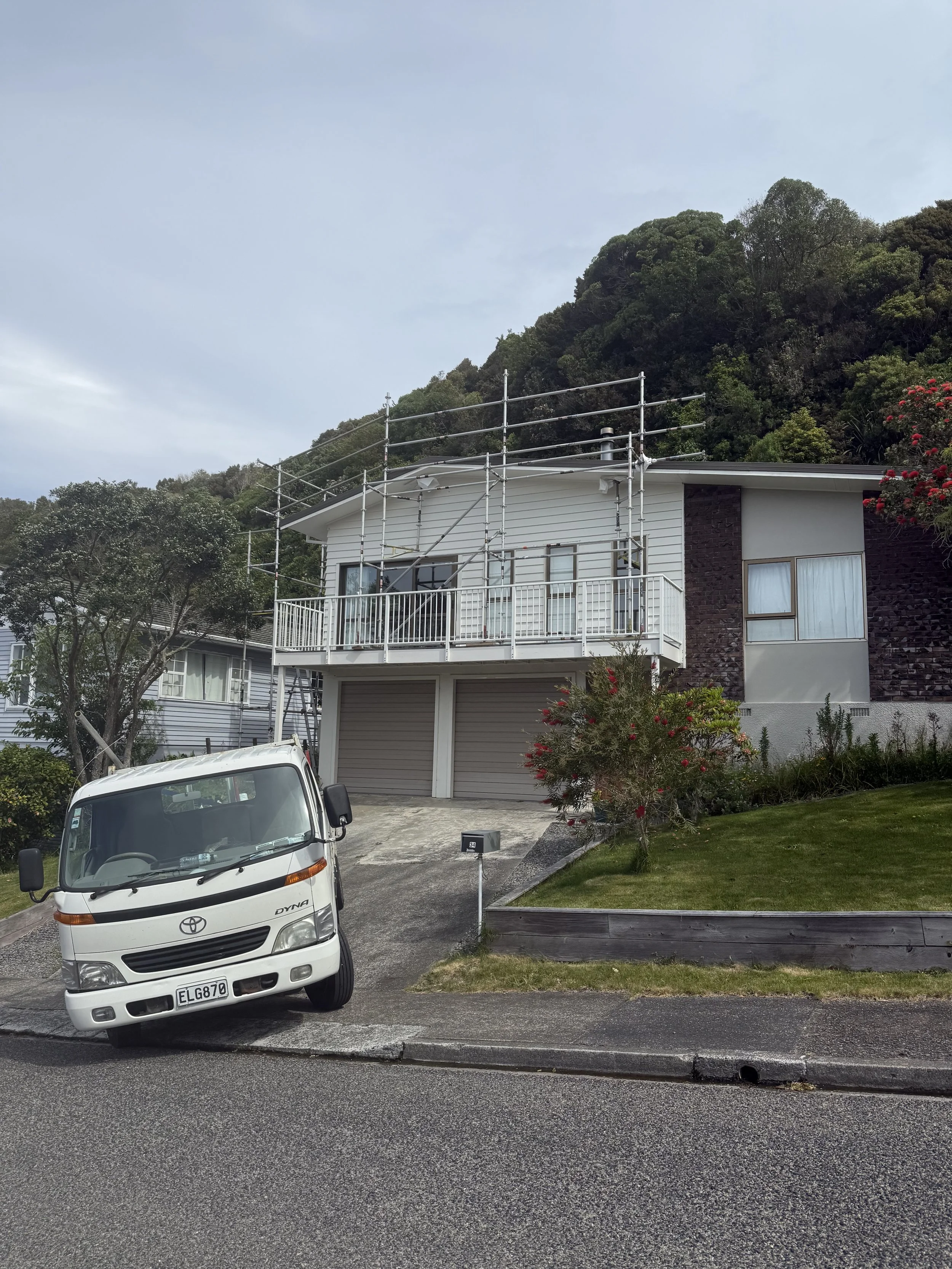
Sloping or constrained access points
Steep driveways and uneven ground introduce stability and safety risks if not planned properly.
We consider:
Load distribution and base support
Tie-in locations
Long-term stability in changing conditions
Safe access for workers and occupants
Getting this right early avoids costly changes later.
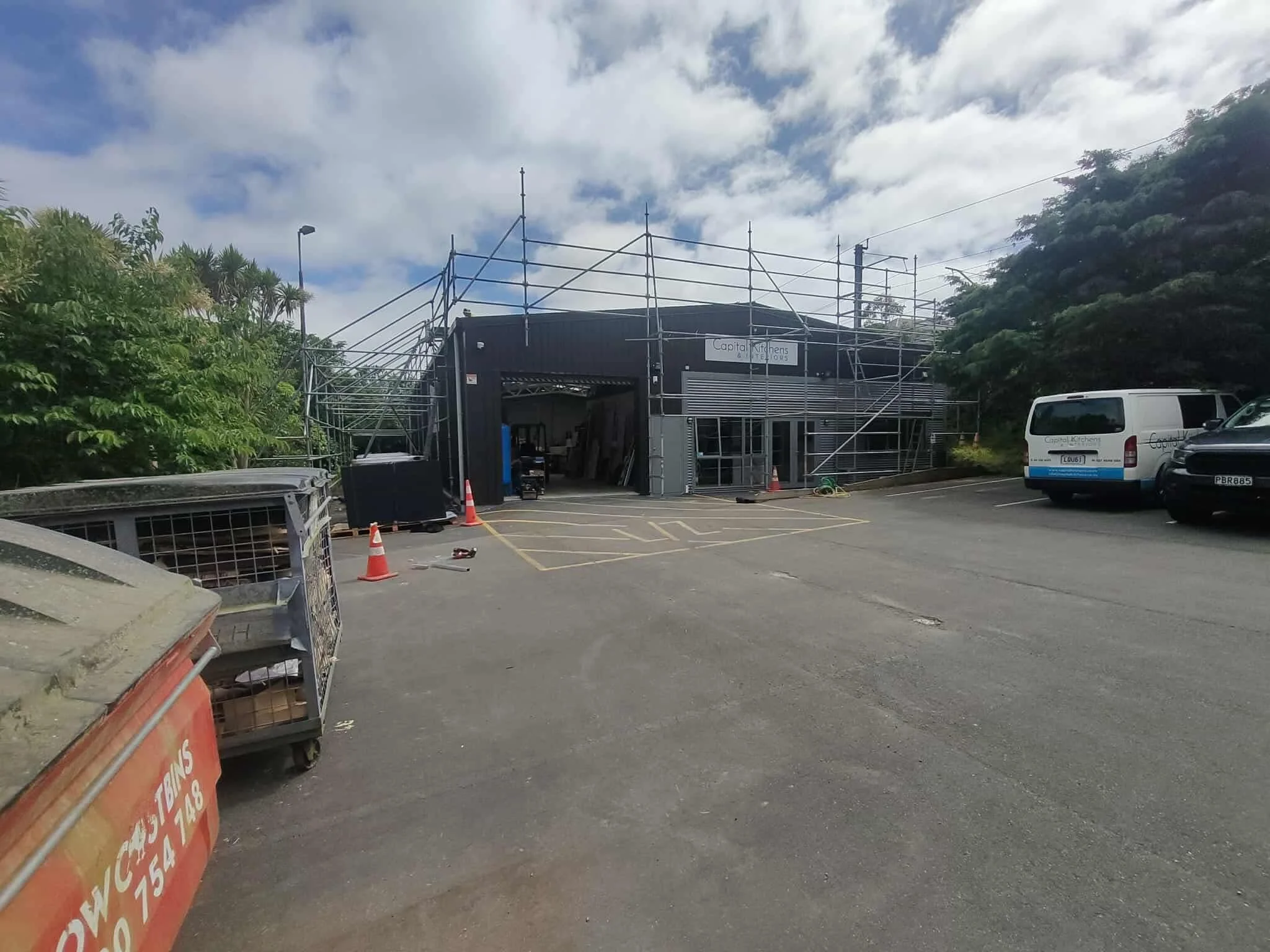
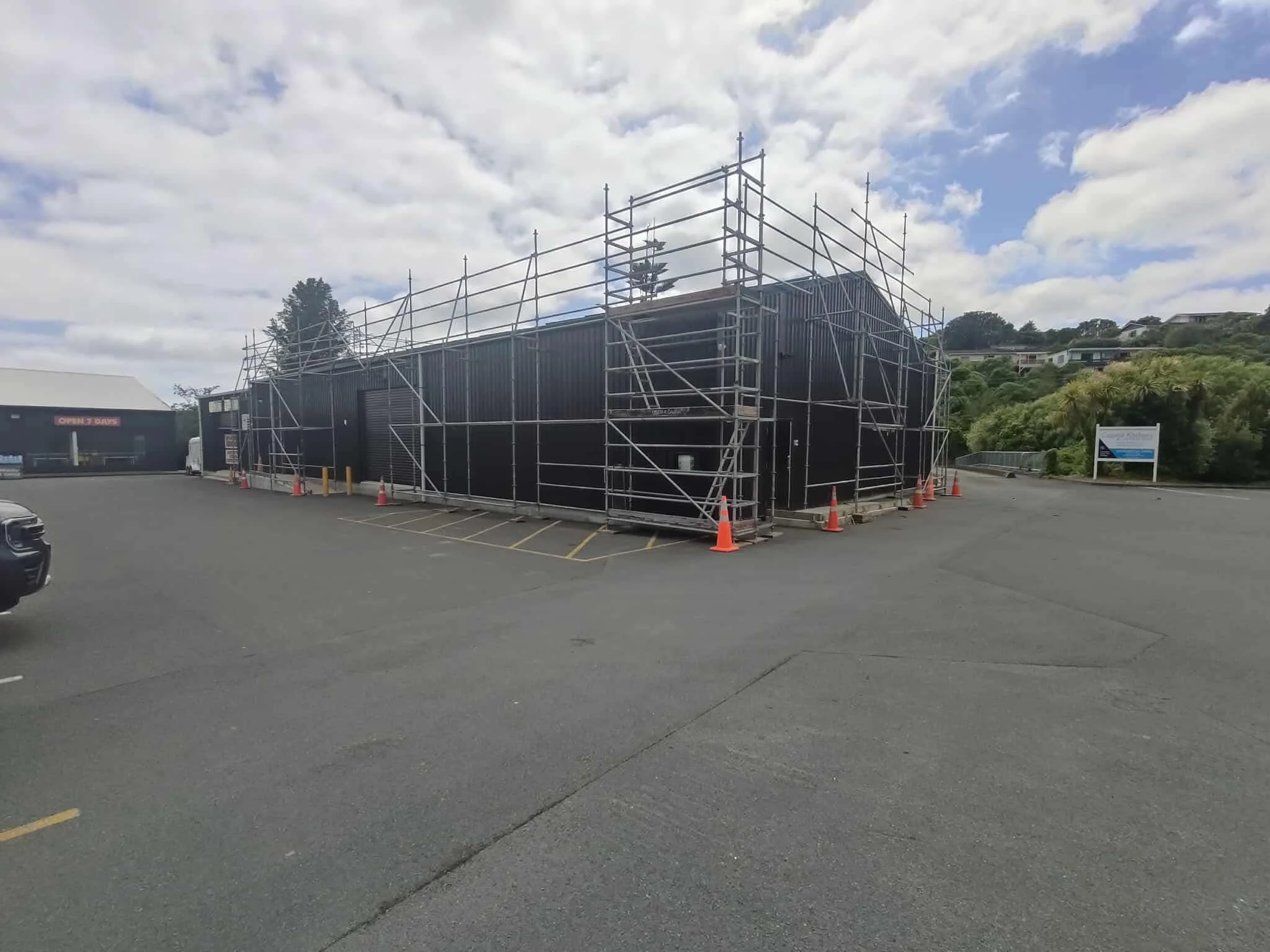
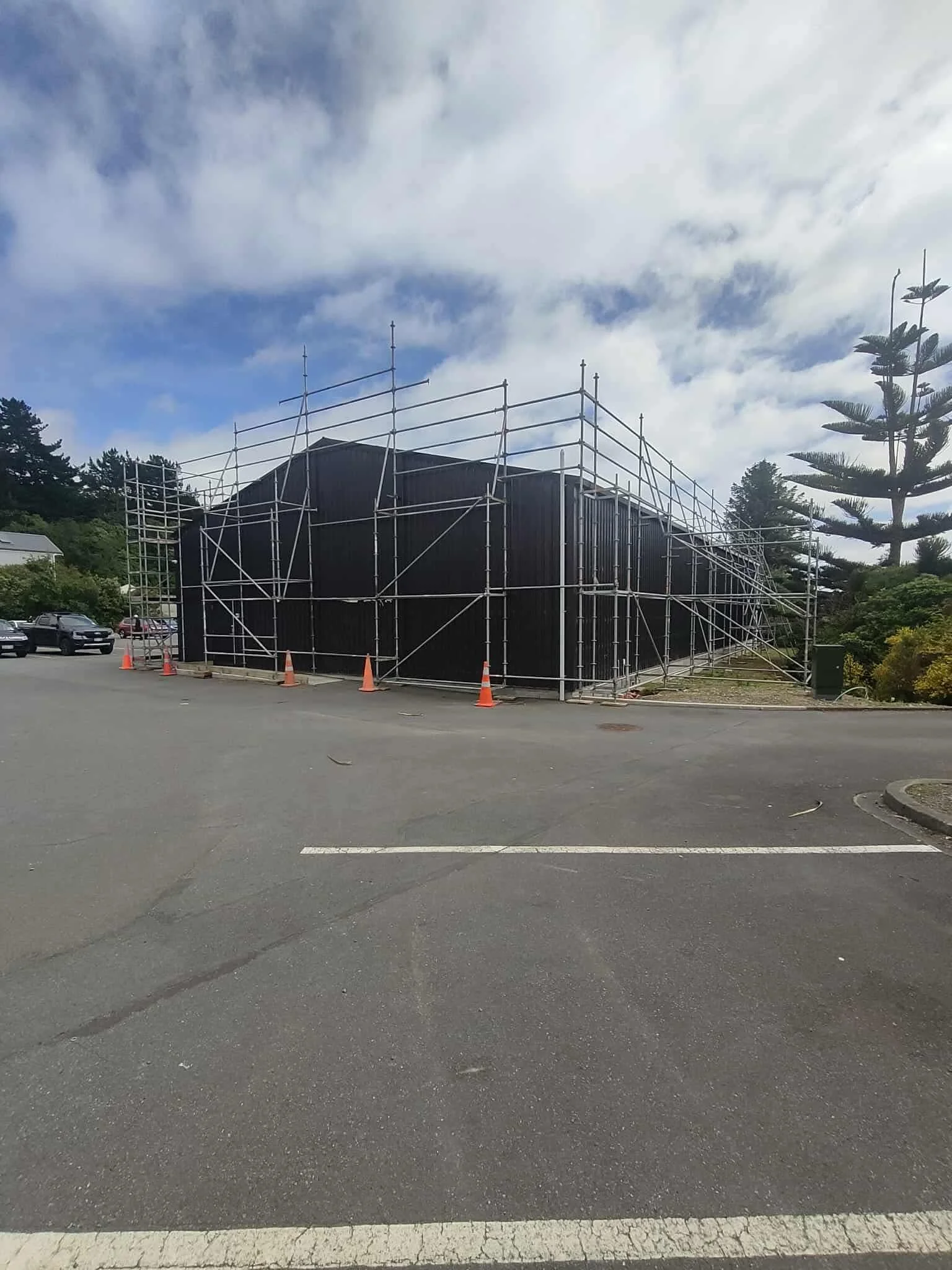
Commercial sites that must remain operational
Retail, workshops and commercial buildings often need to stay open while work continues.
Scaffold must:
Protect staff and customers
Maintain access and visibility
Work around deliveries and vehicles
Meet compliance requirements without disrupting business
This is where planning and coordination matter most.
Multi-trade sequencing
Scaffold that works for one trade but blocks another slows projects down.
We plan access with the full timeline in mind, allowing:
Multiple trades to work safely
Clear access routes
Adjustments as the project progresses
Flexibility is built into the design, not added later.
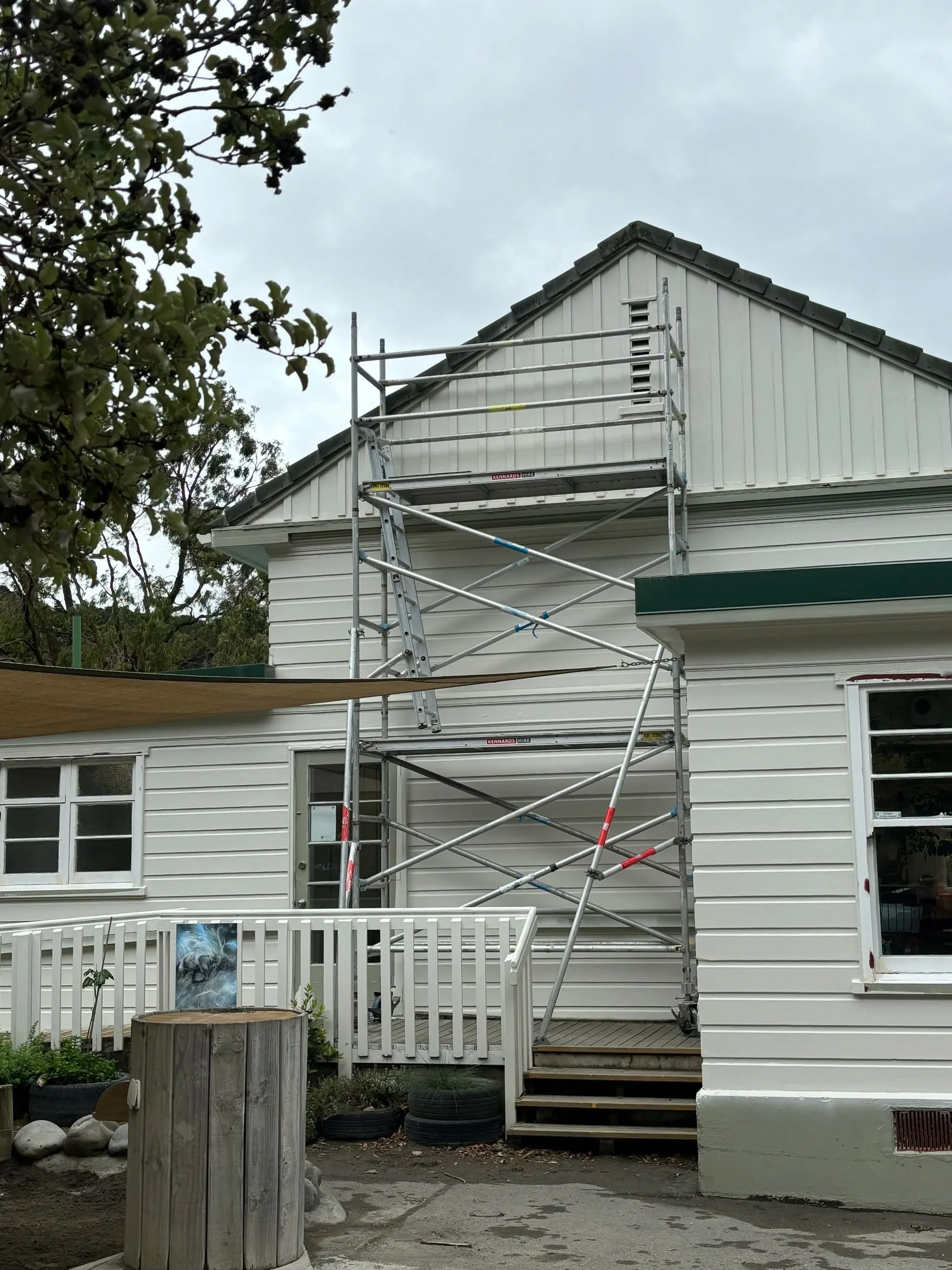
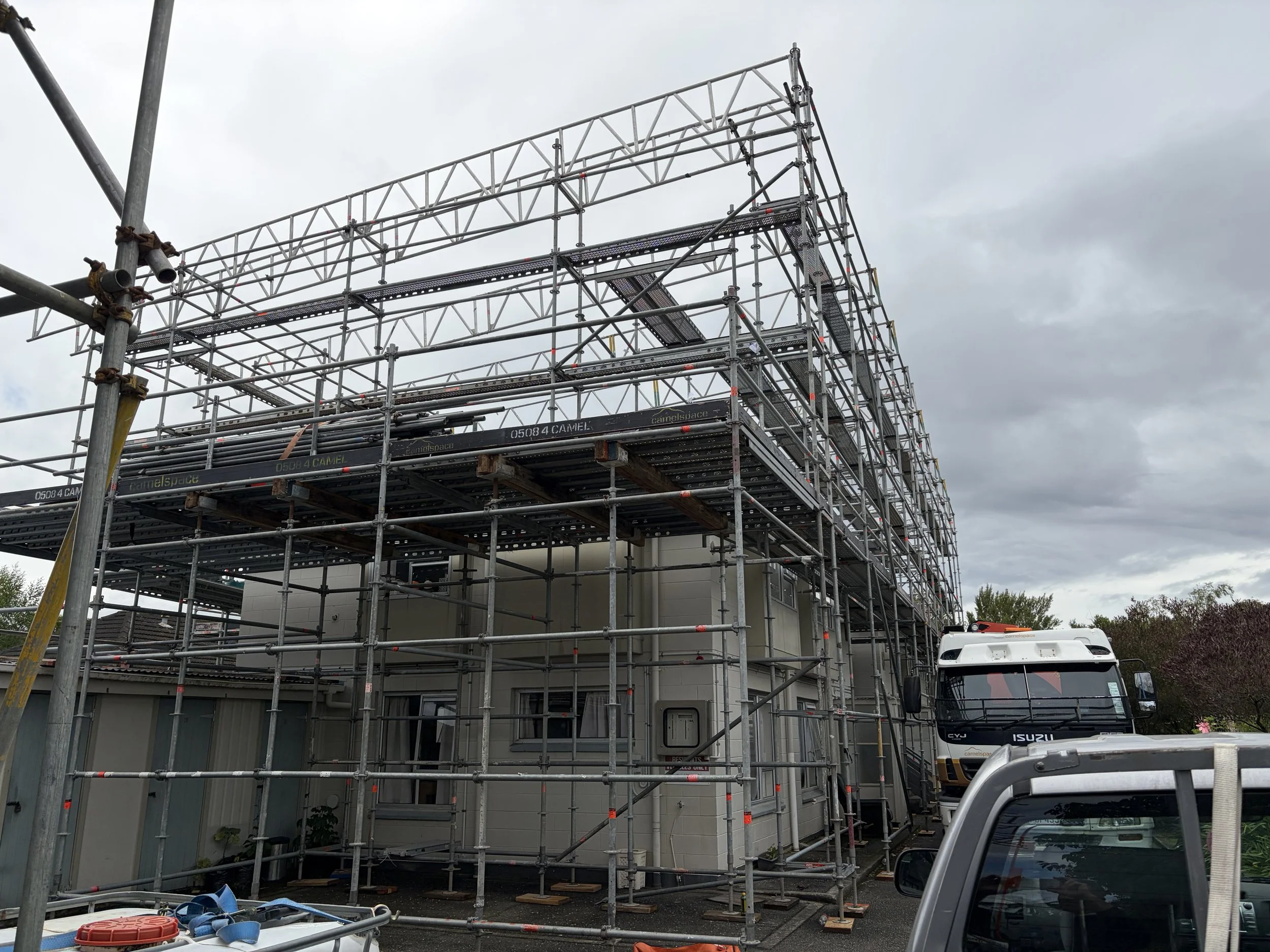
Older or irregular buildings
Not all buildings are square, modern or predictable.
Older structures and custom builds require:
Adaptable layouts
Careful tie-ins
Protection of existing finishes
Experience to respond as unknowns emerge
This is where experience shows.
Our approach at RES Hire
We do not simply supply scaffold. We think on behalf of the project.
That means:
Asking the right questions early
Walking the site before decisions are locked in
Understanding how other trades will use the access
Designing scaffold that supports safety, efficiency and progress
Safety is the result of good planning, not paperwork.
Before you book scaffold, consider this
Who needs access, and when?
Will the site remain occupied or operational?
What constraints exist below and around the scaffold?
How will access need to adapt as the job progresses?
If your scaffold provider is helping you answer these questions, you are setting your project up for success.
Talk to RES Hire early or give Jamie a call.
Good access decisions save time, protect people and keep projects moving.